
Squeaking Dryer: Real Problem or Just Annoying?
You start a load of laundry, and within seconds, your clothes dryer begins to squeak. Sometimes the sound disappears after a few moments. Other times, it follows every turn of the drum, gets louder as the dryer warms up, or becomes a high-pitched squeal that you can hear from another room.
Should you keep using it, or is the noise a sign that something is wearing out?
A brief startup squeak can be normal on some dryers, but a new, repeated, or worsening squeak deserves attention. Worn drum rollers, a drive belt, an idler pulley, drum supports, or a loose object can cause similar sounds. The timing of the noise can help narrow down the possibilities, but it cannot confirm which part has failed.
If your dryer is making an unfamiliar noise in Abilene, Texas, a few simple checks can help you decide whether to monitor it or arrange a repair.
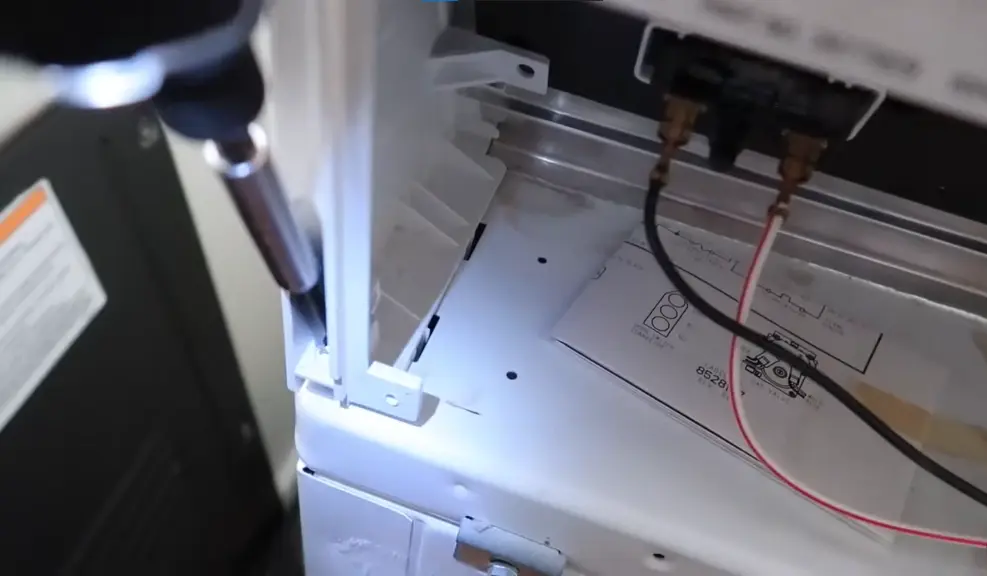
Is a Squeaking Dryer Normal?
It depends on when the sound occurs and how long it lasts.
According to GE Appliances’ official dryer noise guide, a brief squeak when the dryer starts may be normal if it disappears after the first few seconds. However, a squeak that begins after the dryer heats up or repeats every few seconds may indicate a problem.
Here is a quick way to distinguish the two.
| What you hear | What it may mean | What to do |
|---|---|---|
| A short squeak when starting | A normal startup sound on some models | Monitor whether it disappears |
| A squeak with every drum rotation | Possible worn drum support or another moving part | Arrange an inspection if it continues |
| A high-pitched squeal that grows louder | Possible belt, pulley, bearing, or support problem | Avoid ignoring the change |
| Squeaking only when opening the door | Possible door alignment or hinge issue | Check the door for visible damage |
| Scraping or grinding mixed with squeaking | Possible contact between moving parts or a damaged component | Stop using the dryer until it is assessed |
| Noise that starts after the dryer warms up | A component may behave differently as it heats | Note when the sound begins |
These are clues, not diagnoses. Different dryer designs use different drum supports and drive systems, so the same sound can have more than one cause.
What Causes a Clothes Dryer to Squeak?
1. Worn Drum Support Rollers
Drum support rollers help the drum rotate while carrying the weight of the laundry. Depending on the dryer model, these rollers may sit near the rear of the drum or in other support positions.
As rollers wear, develop flat spots, or become affected by buildup, they may no longer turn smoothly. This can create squeaking, thumping, or other repetitive noises.
You may notice that the sound follows the drum as it rotates. It may also become more noticeable when drying towels or jeans because the drum is carrying a heavier load.
However, a noise that gets louder with a full load does not automatically mean the rollers are faulty. Other support parts can produce similar symptoms.
What should you do? If the noise continues throughout the cycle or is getting worse, have the drum support system inspected. Reaching the rollers usually requires opening the dryer cabinet, which is best left to someone familiar with the appliance’s design and safety requirements.
2. A Worn or Damaged Drive Belt
The drive belt transfers power from the motor to the drum on many conventional clothes dryers. As the drum turns, the belt must maintain the correct tension and move along its intended path.
A belt that is worn, damaged, or slipping may contribute to unusual noises. In some cases, a failing belt may eventually stop turning the drum.
Listen for changes in how the dryer operates. Does the drum continue to turn normally? Has the noise appeared suddenly? Is the dryer also having trouble tumbling?
These details help narrow down the problem, but the belt should not be replaced based on sound alone.
The belt’s design and location vary by model. A proper inspection should also consider the pulleys and other components that guide or tension it.
3. A Faulty Idler Pulley
The idler pulley maintains tension on the drive belt in many dryers. It allows the belt to travel along its intended path while the drum rotates.
If the pulley wears out or no longer turns smoothly, it can produce a squeaking or high-pitched squealing noise.
The sound may appear to come from the front or lower part of the cabinet, but sound can travel through the dryer frame. Its apparent location is not enough to identify the failed part.
If your dryer has developed a persistent squeal, a technician may inspect the belt and idler pulley together. Replacing one component without checking the related parts can leave the underlying problem unresolved.
4. Drum Glides, Bearings, or Other Supports
Some dryer designs use drum glides, bearings, or other support components to reduce friction and keep the drum properly positioned.
When these parts wear or become damaged, the drum may rub against an area where it should move freely. The resulting noise can sound like a squeak, scrape, or grind.
A damaged support can also allow the drum to move unevenly. If you notice that the noise is accompanied by rubbing, a change in drum movement, or metal-on-metal sounds, stop the dryer and arrange an inspection.
Not every dryer has the same support arrangement. The correct parts and repair procedure depend on the make and model.
5. Loose Objects or Lint Buildup
Not every dryer noise comes from a failed mechanical part.
Coins, clips, small objects, and other debris can make noise if they move around the drum or reach the lint chute and blower area. Lint buildup inside the dryer can also contribute to squealing from the belt and pulleys.
Before assuming a part has failed:
- Remove the laundry and check garment pockets.
- Look inside the empty drum for loose objects.
- Clean the lint screen.
- Check the area around the dryer for objects touching or vibrating against the cabinet.
Only inspect areas that are safely accessible. Unplug the dryer before maintenance that requires touching or removing a component, and follow the owner’s manual. Never operate the dryer without its lint screen installed.
If an object has fallen deep into the lint chute or blower housing, do not push tools into the opening or dismantle the cabinet unless you know how to do so safely.
How Can You Narrow Down the Source of the Squeak?
You do not need to open the machine to gather useful information. Pay attention to when the sound happens.
Does it happen only when the dryer starts?
If the sound lasts only a few seconds and then disappears, it may be a normal startup noise on your model. Check the owner’s manual and watch for changes over the next few uses.
If the squeak returns during every load, lasts longer, or becomes louder, do not dismiss it as normal.
Does it repeat with every turn of the drum?
A repeated squeak may suggest a moving part, drum support, or an object that contacts another surface as the drum rotates. It is useful to tell the technician whether the sound is steady or comes and goes.
Do not reach inside or try to turn the drum while the appliance is running.
Does the noise begin after the dryer gets warm?
A sound that appears only after heating deserves attention, particularly if it is new. Some mechanical problems become more noticeable as parts warm up or operate under load.
Record when the noise begins and whether it changes as the cycle continues. This information may help the technician reproduce the symptom without repeatedly running a noisy appliance.
Does the door squeak when you open it?
If the noise occurs only while opening or closing the door, the problem may be different from a squeak during tumbling. Door alignment, a hinge, or rubbing trim can cause this sound.
Check for visible damage or loose screws, but do not force the door or take apart the hinge assembly without the correct instructions.
Can You Keep Using a Squeaking Dryer?
A brief, familiar startup squeak that disappears quickly may not require a repair. A new or persistent noise is different, especially if the dryer is also showing other symptoms.
Stop using the dryer if you notice:
- A burning smell or smoke.
- Grinding, scraping, or loud metal-on-metal sounds.
- Abnormal overheating.
- A drum that struggles to turn or stops moving.
- Repeated breaker trips or signs of electrical damage.
Unplug the appliance if it is safe to do so. If you suspect a gas leak, do not operate electrical switches or attempt a repair; leave the area and contact the appropriate emergency or gas service.
Do not spray general-purpose lubricant into the drum or through cabinet openings. Some parts need specific replacement components or manufacturer-approved service procedures, and lubricant may contaminate surfaces or create additional problems.
A squeak may start as a minor issue, but continued operation can worsen some mechanical faults. The safest choice depends on the sound and the appliance’s condition.
What Does a Technician Check During Dryer Noise Repair?
When a dryer makes a persistent squeaking noise, the goal is to identify the source rather than replace the first part that seems likely.
Depending on the model and symptoms, an inspection may include:
- Checking the drum’s movement and support system.
- Inspecting the drive belt and idler pulley.
- Looking for worn glides, rollers, or bearings.
- Checking for loose objects and lint buildup in accessible internal areas.
- Inspecting the blower wheel and related components if the sound points to that area.
- Checking the cabinet, feet, and installation for vibration or rubbing.
The technician should also consider the age of the dryer, the condition of related parts, and whether the repair makes financial sense.
For example, replacing a worn pulley may be reasonable if the rest of the machine is in good condition. If several major components are worn, you should understand the full repair cost before deciding what to do.
A noise is a symptom, not a parts diagnosis. The sound helps guide the inspection, but testing and checking the relevant components are what confirm the cause.
Why Abilene Homeowners Shouldn’t Ignore a New Dryer Noise
In Abilene, many households use their dryers throughout the year, and repeated loads put ongoing movement and wear on the belt, rollers, and support components.
Dust and lint around a laundry area are also good reasons to keep the lint screen and exhaust system clean. They do not prove that a mechanical part has failed, but routine cleaning and attention to unusual sounds can help you catch problems before they become harder to diagnose.
If your dryer has started squeaking after months or years of quiet operation, note whether the sound happens at startup, during tumbling, or only after the machine warms up. These details are more useful than guessing which part needs replacement.
Fast Appliance Repair TX provides appliance repair in Abilene, Texas. If the noise persists or comes with other warning signs, a professional inspection can help identify the actual cause.
Frequently Asked Questions
Why does my dryer squeak for a few seconds and then stop?
Some dryers make a brief startup squeak that disappears after a few seconds. GE Appliances identifies this as a normal sound on some models. If the noise lasts longer, returns during the cycle, or becomes louder, check the manufacturer’s guidance and consider an inspection.
Is a squeaking dryer dangerous?
Not every squeak indicates an immediate safety problem. However, a persistent or worsening noise can signal a worn or damaged component. Stop using the dryer if you notice smoke, a burning smell, overheating, grinding, or a drum that struggles to turn.
Can a worn belt cause a dryer to squeak?
Yes. A worn or damaged drive belt can contribute to unusual noises, but so can an idler pulley, drum supports, bearings, or other parts. The exact cause depends on the dryer design and symptoms.
Why does my dryer squeak more when it has a full load?
A larger load puts more weight on the drum support system. If a roller, glide, bearing, or related component is worn, the extra load may make the sound more noticeable. However, a full load can also change how laundry tumbles, so the sound alone does not confirm a failed part.
Should I lubricate the dryer to stop the squeaking?
Do not spray general-purpose lubricant into the dryer. Some parts require specific service procedures, and lubricant may not solve the actual cause. Check your model’s instructions or have the noise diagnosed before attempting a repair.
When should I call for dryer repair in Abilene, TX?
Arrange an inspection if the squeak continues, gets louder, returns throughout the cycle, or comes with grinding, rubbing, poor tumbling, or other changes. Stop using the appliance if there are signs of overheating, smoke, or electrical trouble.
Need Help With a Squeaking Dryer in Abilene?
A dryer does not need to be completely broken to need attention. If the sound keeps returning, identifying the cause early may help you avoid further wear and unnecessary part replacements.
Fast Appliance Repair TX provides appliance repair in Abilene, Texas. We inspect the symptoms, explain what we find, and provide an upfront repair price before work begins. We focus on the actual cause instead of replacing parts based on guesswork.
If your clothes dryer has developed a persistent squeak, contact us to discuss the problem and arrange an inspection.
Book Your Repair with Fast Appliance Repair TX.