
Home Warranty Replaced Your Dishwasher — What to Actually Know Before Install Day
Getting approval for a replacement dishwasher can feel like the hardest part of a home-warranty claim. But once the replacement is approved, there are still a few things to sort out before installation day. Who is handling the installation? Does the replacement include the parts and connections needed to fit your kitchen? Who pays if an old water line or drain connection needs attention?
These questions matter because an approved dishwasher replacement and a completed, properly tested installation are two different things.
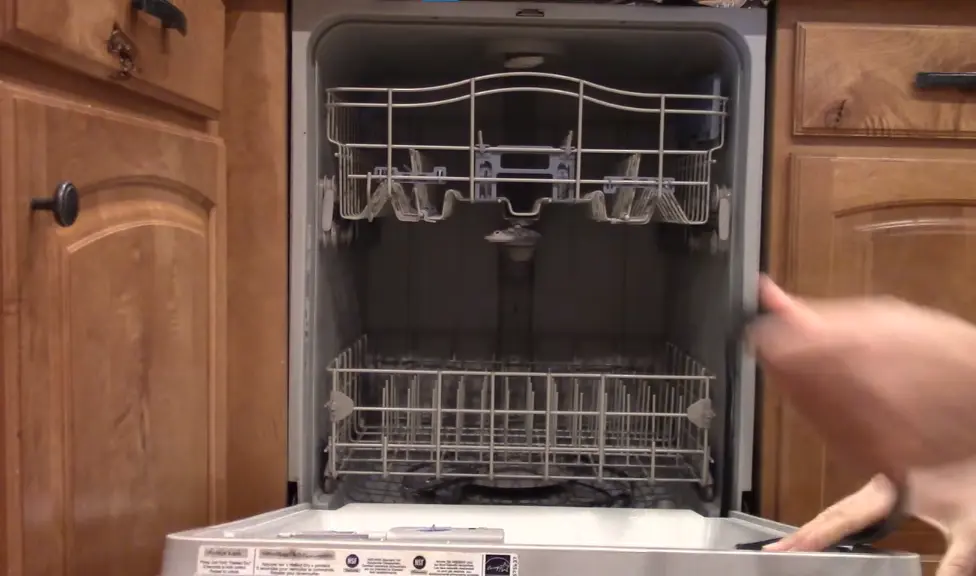
A real customer review from Abilene Appliance Service offers a useful starting point. The customer wrote:
“Abilene Appliance replaced our dishwasher and was top notch with dealing with our home warranty company.”
That short review highlights something homeowners may not think about until they need it: working with a home-warranty company can be a separate challenge from the appliance work itself. The review does not identify the warranty company or explain the installation details, so we should not assume what happened behind the scenes. But it raises a practical question for any homeowner facing a similar situation: what should you confirm before the new dishwasher arrives?
What Does a Home Warranty Dishwasher Replacement Actually Mean?
A home warranty is commonly a service contract. Depending on the agreement, it may cover repairs or replacement of certain appliances when they fail under the contract’s terms.
The important phrase is depending on the agreement.
The Federal Trade Commission’s guide to home warranties and service contracts explains that coverage, fees, limits, and claim processes can vary. A plan may approve a replacement without paying for every expense connected with getting the new appliance installed.
For example, your contract or claim authorization may treat these items differently:
- The replacement dishwasher itself
- Delivery and installation labor
- A new water-supply line or drain hose
- Electrical or plumbing changes
- Removal and disposal of the old appliance
- Repairs needed to make the existing connections usable
These are examples of items to ask about, not a statement that your plan excludes them. Your written contract and claim approval determine what is covered.
In Texas, the Texas Real Estate Commission’s information on residential service companies explains that home-warranty companies offer service contracts covering specified appliances and household systems. The page also directs consumers to the Texas Department of Licensing and Regulation for the regulation of these companies.
Before scheduling installation, ask for a clear explanation of what the approval includes and what you may have to pay separately. It is much easier to clarify those details before the installer is standing in your kitchen.
1. Confirm Who Is Responsible for the Installation
One of the first questions to ask is whether the warranty company is arranging the installation or approving a replacement that requires you to coordinate the remaining work.
Do not assume every plan follows the same process.
Ask your warranty company:
- Is installation included in the approved replacement?
- Will the company send an installer, or do I need to arrange one?
- Is delivery included?
- Will the old dishwasher be removed?
- Are standard installation parts covered?
- What should I do if the existing plumbing or electrical connections need work?
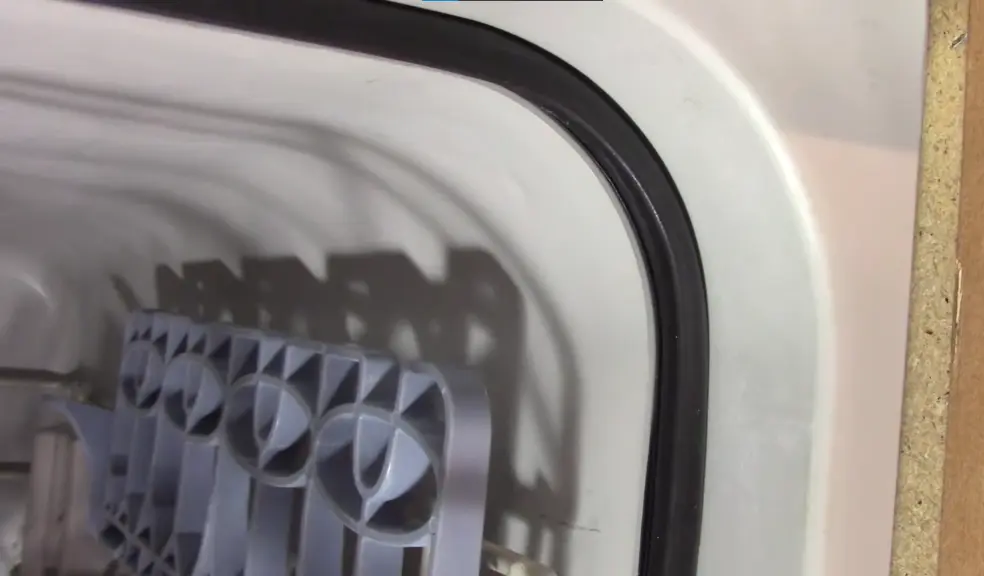
If the company assigns a service provider, confirm the appointment directly with that provider. Make sure you understand the scheduled arrival window and whether someone needs to be home.
Keep the claim number, approval notice, and any instructions in one place. If the warranty company, delivery team, and installer are different parties, having those details ready can reduce confusion.
2. Check Whether the Replacement Will Fit Your Kitchen
A replacement dishwasher may perform the same basic job as the old one but still have different dimensions, connection locations, or installation requirements.
Before installation day, find out the replacement’s make and model. If possible, compare its specifications with the existing dishwasher.
| What to check | Why it matters |
|---|---|
| Width, height, and depth | The new unit must fit the available opening beneath the counter. |
| Door clearance | The door needs enough room to open without hitting nearby cabinets or appliances. |
| Water connection | The supply line and shutoff valve must be suitable and accessible. |
| Drain connection | The drain hose must connect correctly to the sink plumbing or garbage disposal, where applicable. |
| Electrical supply | The power connection must meet the dishwasher’s installation instructions and applicable requirements. |
| Flooring and cabinets | Uneven floors, damaged cabinets, or a tight opening may complicate removal or installation. |
Do not rely only on the appearance of the old dishwasher. If the replacement is a different model, ask the warranty company or installer whether any changes are needed.
This is especially useful when an older dishwasher has been in the same kitchen for many years. Cabinets, flooring, and plumbing connections may have been changed since the original installation.
3. Ask About Installation Parts Before the Appointment
A new dishwasher does not always come with every item needed to connect it to an existing kitchen.
Depending on the model and the condition of the current setup, installation may require a compatible water-supply line, fittings, drain-hose connection, power cord, or other parts. Whether these items are included depends on the replacement arrangement and the appliance’s instructions.
Ask one direct question before installation:
“Does the approved replacement include the parts and labor needed to connect the dishwasher to my existing water, drain, and electrical connections?”
If the answer is unclear, ask for the details in writing.
The Whirlpool dishwasher water-supply connection guide explains why the water connection must be made correctly and why the supply valve and connection points need to be checked. Follow the instructions for the actual replacement model rather than assuming every dishwasher uses the same setup.
If a shutoff valve is damaged, a hose is deteriorated, or the plumbing does not meet the installation requirements, the installer may need to stop and explain what needs to be addressed. Confirm in advance how extra work is quoted and approved.
4. Make Sure the Water Shutoff and Work Area Are Accessible
You can make the appointment easier by preparing the kitchen before the installer arrives.
Clear the counter area and remove items from the cabinet beneath the sink. This gives the installer room to inspect the shutoff valve, drain connection, and nearby plumbing.
Also clear the floor in front of the dishwasher. If the old appliance needs to be pulled out, the installer may need a safe path to move it through the kitchen.
If you know the location of the dishwasher’s water shutoff valve, make sure it is accessible. Do not force a stuck or corroded valve yourself. If it appears damaged or will not turn properly, tell the installer or ask a qualified plumber to assess it.
It also helps to mention any previous leaks, water damage, electrical issues, or unusual problems with the old dishwasher. Those details may help the installer identify conditions that need attention before connecting the replacement.
For homeowners in Abilene, the preparation is the same whether you live in an older home or a newer property: the connections behind the appliance matter just as much as the appliance sitting in front of you.
5. Ask What Happens if the Installer Finds Another Problem
Sometimes the replacement unit is ready, but an issue with the existing kitchen setup prevents the installation from moving forward.
For example, the installer might find a damaged water line, a shutoff valve that will not close, a drain connection that needs correction, or an opening that does not fit the new model.
That does not automatically mean the warranty company must cover the additional work. It means you need to know how the issue will be handled.
Before installation day, ask:
- Will the installer explain the problem before doing extra work?
- Will I receive a separate price for work outside the approved claim?
- Does the warranty company need to authorize the additional work?
- If installation cannot be completed, who do I contact next?
- Could a return visit or another appointment involve an additional charge?
If an unexpected cost comes up, ask for an itemized explanation. Find out what is required to complete the installation, what is optional, and which party is responsible for each item.
Do not authorize extra work until you understand the price and whether it affects your warranty claim. If the issue falls outside the installer’s assigned work, contact the warranty company and ask how to proceed.
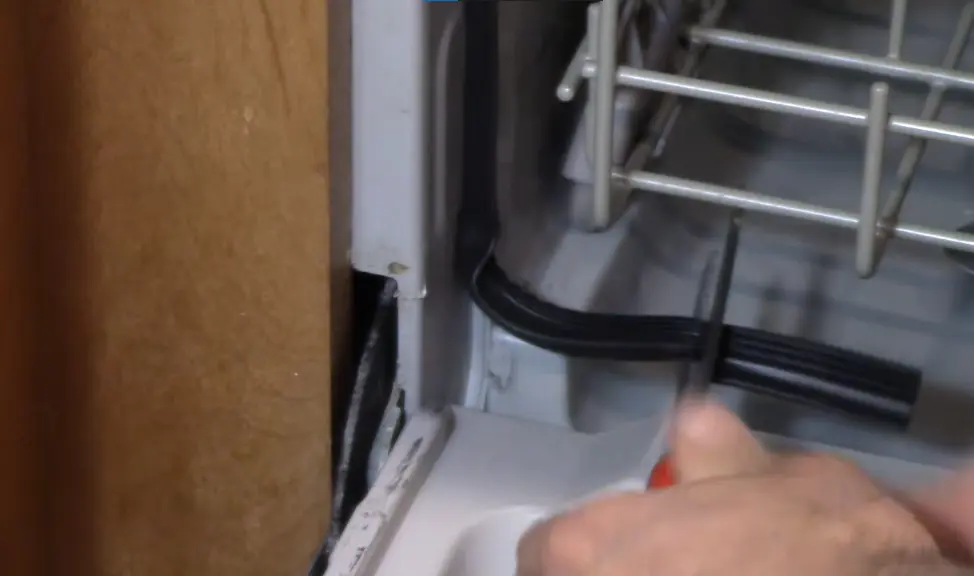
6. Do Not Treat Delivery as Proof That the Job Is Finished
A dishwasher can be delivered to your home without being fully installed. Even after it is connected, it still needs to be checked.
Before the installer leaves, ask whether the dishwasher has been tested according to the manufacturer’s instructions. If the installation is complete, the water supply and drain connections should be checked for leaks, and the unit should be confirmed to operate as expected.
A few sensible questions include:
- Does the dishwasher fill with water?
- Does it drain correctly?
- Are there any leaks around the supply or drain connections?
- Does the door close and latch properly?
- Is the dishwasher stable and level?
- Are there any warning lights or error messages?
The Whirlpool drain-line installation guide explains that the drain hose must be routed and secured correctly. It also recommends checking connections for leaks during a test cycle. The exact procedure should follow the installation instructions for your replacement model.
Do not pull the dishwasher out, remove panels, or attempt electrical or plumbing work yourself just to check the installation. Ask the installer to demonstrate the basic operation and explain anything that needs follow-up.
If you notice water on the floor or inside the cabinet after the installer leaves, stop using the dishwasher until the source has been checked. If safe to do so, shut off the water supply to the appliance and contact the installer or appropriate service provider.
7. Keep the Paperwork for the New Dishwasher
Once the replacement is installed, keep the paperwork rather than assuming the home-warranty claim record is all you need.
Save copies of:
- The warranty company’s replacement approval
- The new dishwasher’s make and model
- The installation or delivery receipt
- Any separate charges you paid
- The installer’s service report
- The manufacturer’s warranty information
- Any instructions about registering the appliance
Ask when the manufacturer’s warranty begins and how to request service if the new dishwasher develops a problem. Also ask whether the warranty company provides any separate coverage for the replacement or installation work.
Do not assume the new dishwasher has the same coverage terms as the old appliance or that the home-warranty contract automatically covers every future problem. The documents should explain which company is responsible for which type of service.
If an issue appears soon after installation, record the date, take photos or a short video if useful, and contact the correct party promptly. A clear record can help distinguish an installation concern from a problem with the appliance itself.
What the Abilene Appliance Service Review Can—and Cannot—Tell Us
The customer review that inspired this article says:
“Abilene Appliance replaced our dishwasher and was top notch with dealing with our home warranty company.”
The review specifically praises the company’s handling of the home-warranty side of the replacement. It does not name the warranty provider or describe the model, installation date, parts used, cost, or final testing. Those details should not be added to the story without confirmation from the customer or business.
Still, the review points to a real concern for homeowners: appliance replacement can involve more than choosing a new machine. Communication between the warranty company and the service provider can affect how clearly a homeowner understands the next step.
When you arrange a replacement, look for clear answers about approval, installation responsibility, extra costs, and what happens if a problem is found. A helpful service provider should explain the work they are responsible for and tell you when another party needs to make a decision.
Need Dishwasher Help in Abilene?
If your dishwasher has failed, is leaking, will not drain, or needs a diagnosis before you decide on replacement, We provide appliance repair service in Abilene, Texas.
We can assess the problem, explain what we find, and discuss the available repair options and price before work begins. If your home-warranty company is involved, confirm its approval and provider requirements before authorizing any work.
Call 325-339-0690 or contact Fast Appliance Repair TX to discuss your dishwasher problem.