
One Burner Won’t Light, Others Work Fine — the Boring, Common Cause
You turn on the stove to make breakfast, start dinner, or heat a pan, and one burner refuses to light. The other burners work normally. You hear clicking, but there is no flame—or the burner lights for a moment and goes out.
It is tempting to assume the stove has a major electrical or gas problem. But when only one gas burner won’t light while the others work fine, the cause is often much simpler: a burner cap that is sitting crooked, food blocking the small gas openings, or moisture around the igniter after cleaning or a spill.
These are common issues covered in manufacturer troubleshooting guides from GE Appliances, Whirlpool, and LG.
Before you arrange a repair, there are a few safe things you can check. The important part is knowing when a simple cleaning or adjustment may help—and when the problem needs professional attention.
Why Does One Burner Stop Working When the Others Are Fine?
When three burners light normally and one does not, the problem may be limited to that burner rather than the entire stove.
On many gas ranges, each burner has its own burner head, cap, gas openings, and ignition electrode. A problem in one of these areas can stop that burner from lighting even when the rest of the cooktop works.
Here are the common causes:
| What You Notice | What May Be Causing It |
|---|---|
| The burner clicks but does not light | Moisture, clogged burner ports, or a misaligned burner cap |
| There is no clicking at that burner | A dirty or faulty igniter, ignition switch, or related electrical component |
| The flame appears uneven or weak | Blocked burner openings or a cap that is not seated correctly |
| The burner worked before cleaning but not afterward | Moisture or a burner component that was put back incorrectly |
| The burner lights and then goes out | A burner assembly issue or a problem with flame sensing on models that use it |
These symptoms help narrow down the possibilities, but they do not confirm which part has failed.
1. The Burner Cap Is Not Sitting Properly
This is one of the first things worth checking.
The burner cap is the removable metal piece that sits on top of the burner head. It helps direct the flame around the burner. If the cap is tilted, off-center, or placed on the wrong burner, gas may not ignite as expected.
It can happen after routine cleaning. Someone removes the grates and burner caps to wipe away grease, then puts everything back without noticing that one cap is sitting slightly crooked.
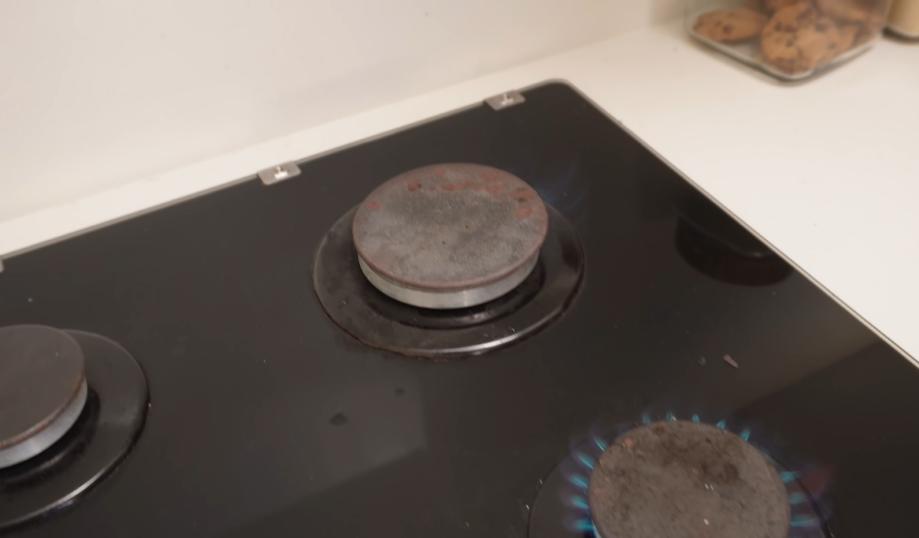
How can you tell if the burner cap is misaligned?
Wait until the stove is completely cool. Make sure the burner controls are off, then check whether the cap sits flat on its base. It should be centered, with no obvious gap or tilt.
If your model has different-sized burner caps, make sure the correct cap is on the correct burner. Some models use alignment marks or notches to help position the parts.
The Whirlpool burner troubleshooting guide explains that the cap needs to be properly seated for the burner to light and operate correctly.
After checking the position, try the burner once. If it still fails, avoid repeatedly turning the knob in an attempt to force it to light.
2. Food or Grease Is Blocking the Burner Openings
The next common cause is buildup around the burner head.
Cooking spills can leave behind grease, dried sauce, starch, or small food particles. These can block the openings around the burner, preventing gas from flowing evenly. The result may be a burner that clicks without lighting or produces an uneven flame.
This can happen even when the cooktop looks clean from above. A small amount of residue near the burner openings may be enough to affect ignition.
How do you clean a clogged gas burner?
Start by turning off the burner and allowing it to cool completely. Follow the cleaning instructions in your stove’s owner’s manual. If the manual allows the burner cap and head to be removed, take them off carefully and clean the accessible parts as directed.
Use a suitable soft brush or cloth to remove loose debris. If the manufacturer permits clearing blocked ports with a small pin or needle, follow its instructions carefully. Do not force anything into the openings, enlarge the holes, or use an object that may break off inside the burner.
Avoid pouring water into the burner assembly or using harsh cleaners that are not approved for your appliance.
Once the parts are clean and completely dry, reinstall them in their correct positions. Make sure the burner cap is flat and secure before testing the burner.
If the burner still will not light, the blockage may not be the only problem.
3. Moisture Is Preventing the Igniter From Working Properly
Did the problem start after you cleaned the stove or had a pot boil over?
Moisture is another common reason a single gas burner may stop lighting. Water can collect around the burner head, gas openings, or ignition electrode. The igniter may continue clicking, but the burner may not light until the affected area dries.
GE Appliances explains that wet or dirty burner components can cause slow ignition, repeated clicking, or failure to ignite in its guide to common gas burner ignition problems.
What should you do?
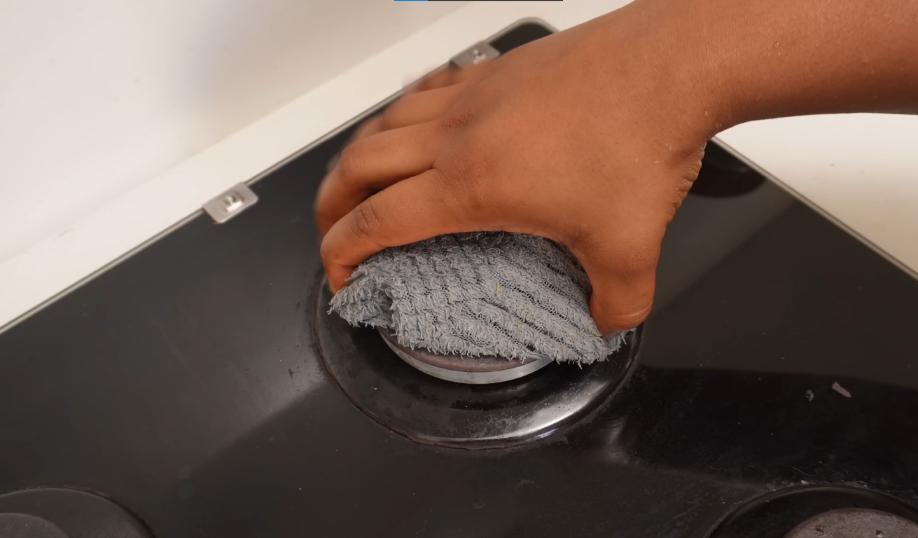
Turn the burner off and let the cooktop cool. If the manufacturer’s instructions allow it, remove the burner cap and other removable components, then dry them thoroughly. Wipe accessible surfaces with a clean cloth and allow the parts to air-dry before putting them back.
Do not use the burner while the parts are wet, and do not open the stove or attempt to dry internal electrical components yourself.
If the burner starts working after everything has dried, moisture may have been the cause. If the problem keeps returning, there may be another issue that needs inspection.
4. The Burner Clicks, but There Is Still No Flame
Clicking usually means the ignition system is attempting to create a spark. It does not guarantee that the spark is reaching the right place or that gas is flowing correctly through the burner.
If the burner cap is correctly positioned and the burner is clean and dry, the problem may involve the igniter electrode or another part of the ignition system.
A damaged electrode, poor electrical connection, or faulty ignition component can prevent a burner from lighting. The exact cause depends on the stove’s design.
Does a clicking sound mean the igniter is working?
Not necessarily. The sound tells you that some part of the ignition process is active, but it does not prove that the spark is strong enough or positioned correctly to ignite the gas.
You can check the cap position and visible cleanliness once the stove is cool. However, testing electrical connections, removing panels, or replacing ignition parts is a job for a qualified technician.
If the burner continues clicking without lighting after the basic checks, stop trying to ignite it and arrange an inspection.
5. What If the Burner Does Not Click at All?
A burner that makes no clicking sound presents a different possibility.
The problem could involve the ignition electrode, switch, wiring, or another electrical part. It may also depend on how the manufacturer designed the cooktop. Some gas ranges are built so that several igniters spark together when one burner is selected, while other designs behave differently.
That is why it is important not to assume every stove uses the same ignition setup.
Check the owner’s manual for model-specific troubleshooting. If the other burners click normally but one burner does not, the faulty area may be limited to that burner’s ignition components or associated wiring.
Do not remove the cooktop or test live electrical parts yourself. If cleaning and correct assembly do not resolve the issue, a technician can inspect the ignition system and determine whether a component needs repair or replacement.
6. When the Burner Lights but the Flame Looks Wrong
Sometimes the burner does light, but the flame is weak, uneven, or different from what you normally see.
That may point to blocked burner openings, a cap that is not seated properly, or another problem with the burner assembly. A flame that repeatedly goes out can also require further inspection.
Turn the burner off if the flame appears abnormal, and let the appliance cool before checking any removable parts permitted by the manual. Do not use the stove without its burner cap correctly installed.
If the flame remains uneven after cleaning and proper reassembly, arrange service rather than trying to adjust gas flow or internal components yourself.
Safe Checks Before Calling for Repair
For a gas stove, these are reasonable first checks when only one burner is affected:
- Make sure the burner control is off and the cooktop is cool before cleaning.
- Check whether the burner cap is centered and sitting flat.
- Look for visible food residue or grease around accessible burner parts.
- Consider whether a recent spill or cleaning may have left moisture behind.
- Follow the manufacturer’s instructions for cleaning and reassembling the burner.
- Test the burner only after all parts are clean, dry, and correctly positioned.
Avoid repeatedly turning the knob when the burner will not light. Do not dismantle gas lines, adjust valves, or attempt internal electrical repairs.
Important gas safety note: If you smell gas, hear a hissing sound that may indicate a leak, or suspect gas is escaping, stop troubleshooting. Leave the building immediately, avoid operating switches or electronics, and call 911 or the gas utility from a safe location outside. Do not try to find or repair the leak yourself. The American Gas Association’s gas safety guidance explains the steps to take if you suspect a gas leak.
When Should You Call an Appliance Repair Technician?
A technician is the next step when the basic checks do not solve the problem, or when the symptoms suggest a fault beyond routine cleaning.
Arrange an inspection if:
- The burner cap is correctly installed, but the burner still will not light.
- The burner does not click while other burners click normally.
- The igniter clicks repeatedly without producing a flame.
- The burner lights inconsistently or goes out during use.
- The flame remains weak or uneven after the accessible parts have been cleaned.
- The problem returns soon after cleaning or adjusting the burner cap.
The goal is to identify the actual cause before replacing parts. A burner that will not light does not automatically need a new igniter, switch, or control module. Those parts should be tested when the symptoms point to them.
What Does This Mean for Abilene Homeowners?
For homeowners in Abilene, a stove that loses one burner can quickly become frustrating during meal preparation. You may still be able to use the other burners, but cooking takes longer and you have fewer options when preparing several dishes.
It is worth checking the simple causes first, especially if the issue began after cleaning or a spill. If the cap is seated properly, the burner is clean and dry, and the problem remains, further troubleshooting may be needed.
We provides appliance repair in Abilene, including help with gas stove and cooktop problems. Our approach is to inspect the appliance, identify the likely cause, explain what needs attention, and provide an upfront repair price before work begins. We do not recommend replacing parts without first checking whether they are actually causing the problem.
If your burner still will not light after the basic checks, Book Your Repair or call 325-339-0690 to discuss the problem and arrange service.
Frequently Asked Questions
Why won’t one burner light when the others work?
Common causes include a burner cap that is not seated correctly, clogged burner openings, moisture around the igniter, or a fault in the ignition components. Start with the simple checks permitted by your owner’s manual.
Can a dirty burner stop a gas stove from lighting?
Yes. Food residue and grease can block the small openings that distribute gas around the burner. Cleaning the accessible parts according to the manufacturer’s instructions may restore normal ignition.
Why does my gas burner click but not light after cleaning?
Moisture around the burner head or igniter may interfere with ignition. The burner cap may also have been reinstalled incorrectly. Turn the burner off, let the appliance cool, and check the parts you can safely access.
Does a burner that will not light always need a new igniter?
No. The problem may be a misaligned cap, blocked ports, moisture, or another issue. If the burner is clean, dry, and correctly assembled but still will not light, a technician can test the ignition system before recommending a replacement.
Is it safe to keep using the other burners?
If the other burners operate normally, that does not automatically mean the faulty burner is safe to use. Leave the affected burner off until the cause is resolved. If you smell gas or suspect a leak, leave the building and call for help from a safe location.
Should I use a lighter if the burner will not ignite?
Do not use a lighter to bypass a burner that is failing to ignite. Follow the manufacturer’s instructions for your specific appliance. If normal ignition does not work after the permitted checks, stop using that burner and arrange service.
When should I stop troubleshooting?
Stop if the burner continues to fail after cleaning and correct reassembly, if internal parts may be faulty, or if you notice signs of a gas leak. Gas lines, valves, wiring, and internal ignition components should be handled by a qualified professional.
The main point is simple: when one burner stops lighting but the others work, the cause may be a small, local problem rather than a major stove failure. Checking the burner cap, visible buildup, and moisture is a sensible first step. If those checks do not help, proper testing can identify what needs attention without guessing at replacement parts.